
Valentine's Day Pet Safety: Foods and Plants to Avoid
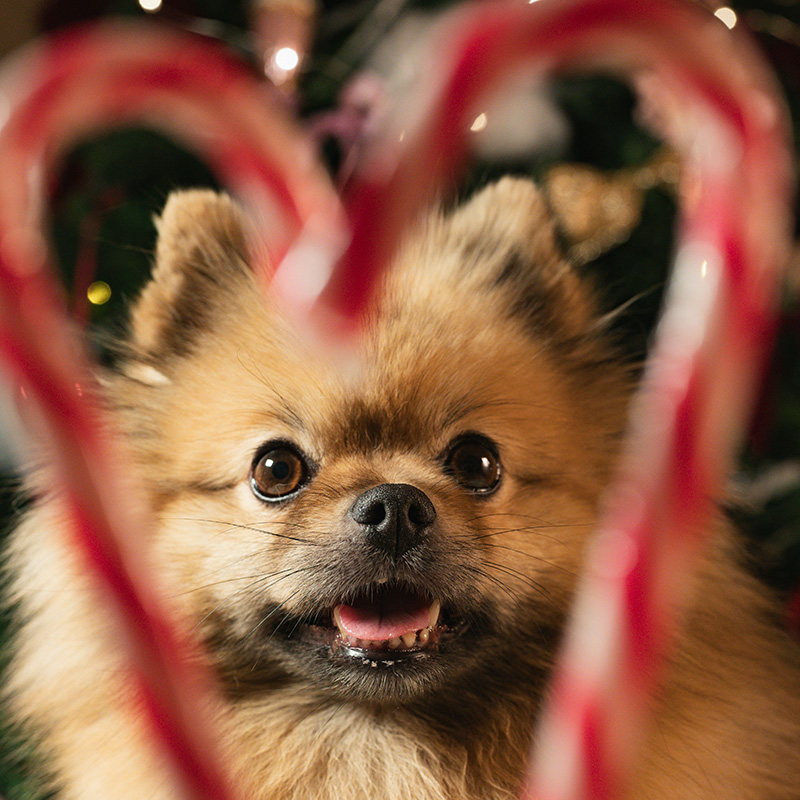 Valentine’s Day is a time for showing love and appreciation, often with thoughtful gifts, special meals and beautiful flowers. While these gestures are well-intentioned, they can sometimes pose hidden dangers to our pets. Dogs and cats are naturally curious and may be tempted to sample festive treats or investigate floral displays, putting their health at risk. Being aware of common Valentine’s hazards can help keep your pet safe and ensure the day is happy for the whole family.
Why Valentine’s Day Can Be Risky For Pets
Many traditional Valentine’s Day items are designed with people in mind, not animals. Pets process foods and substances very differently to humans, meaning that even small amounts of certain foods or plants can cause serious illness. Emergency veterinary visits often increase around special occasion days, simply because hazards are more accessible. A little planning and awareness can go a long way in preventing accidents.
Foods To Keep Well Out Of Reach
Chocolate is perhaps the most well-known danger at Valentine’s Day. It contains theobromine, which dogs and cats cannot metabolise effectively. Dark chocolate and cocoa powder are especially dangerous, but all chocolate should be considered toxic. Ingestion can lead to vomiting, diarrhoea, tremors, seizures and, in severe cases, can be life-threatening.
Sweets and chewing gum may contain xylitol, a sweetener that is extremely toxic to dogs. Even small amounts can cause a rapid drop in blood sugar, leading to weakness, collapse, seizures and liver failure. Cats are less likely to eat sweet foods, but it is still best to keep all sugar-free products safely stored away.
Romantic meals may include foods such as onions, garlic, leeks and chives. These ingredients, whether raw, cooked or powdered, can damage red blood cells in dogs and cats, potentially causing anaemia. Fatty foods, including leftovers, cheeses and rich sauces, can also trigger digestive upset or pancreatitis, a painful and potentially serious condition.
Alcohol should never be accessible to pets. Even small quantities can cause vomiting, disorientation, breathing difficulties and dangerously low blood sugar. If a drink is spilled, ensure it is cleaned up promptly before a curious pet can investigate.
Valentine’s Plants That Are Unsafe For Pets
Flowers are a classic Valentine’s gift, but some popular choices can be harmful. Lilies are particularly dangerous for cats. All parts of the plant, including pollen and even the water in the vase, are highly toxic and can cause acute kidney failure. If you have cats at home, it is safest to avoid lilies altogether.
Roses are generally considered non-toxic, but their thorns can cause injuries to the mouth or paws. Additionally, bouquets often contain mixed greenery, some of which may be toxic. For example, decorative foliage such as asparagus fern or eucalyptus can cause vomiting and irritation if chewed.
Houseplants that are commonly gifted or displayed at this time of year, such as peace lilies, philodendrons and pothos, can cause oral irritation, drooling and gastrointestinal upset. While symptoms may be mild in some cases, it is best to prevent access altogether.
Packaging And Decorations Matter Too
Beyond foods and plants, Valentine’s Day packaging can also pose a risk. Foil wrappers, ribbons and cellophane can be very tempting for pets to play with. If swallowed, these items can cause intestinal blockages, which often require surgical treatment. Candles should also be used with care, as pets may knock them over or burn themselves.
Keeping Your Pet Safe This Valentine’s Day
Simple precautions can make a big difference. Store chocolates, sweets and gifts in cupboards or containers that pets cannot access. Place flowers well out of reach, or choose pet-safe alternatives if you are unsure. Dispose of packaging promptly and keep an eye on your pet when guests or celebrations are underway.
If you suspect your pet has eaten something harmful, contact us immediately. Early treatment can significantly improve outcomes. If we closed, use our Vidivet emergency veterinary service as soon as possible.
Valentine’s Day is about love, and that includes the love we have for our pets. By being mindful of potential hazards and making a few pet-friendly choices, you can enjoy the celebrations with peace of mind, knowing your four-legged companions are safe and well.
-
Previous
-
Next