
Christmas Safety For Pets: Decorations, Food, And More
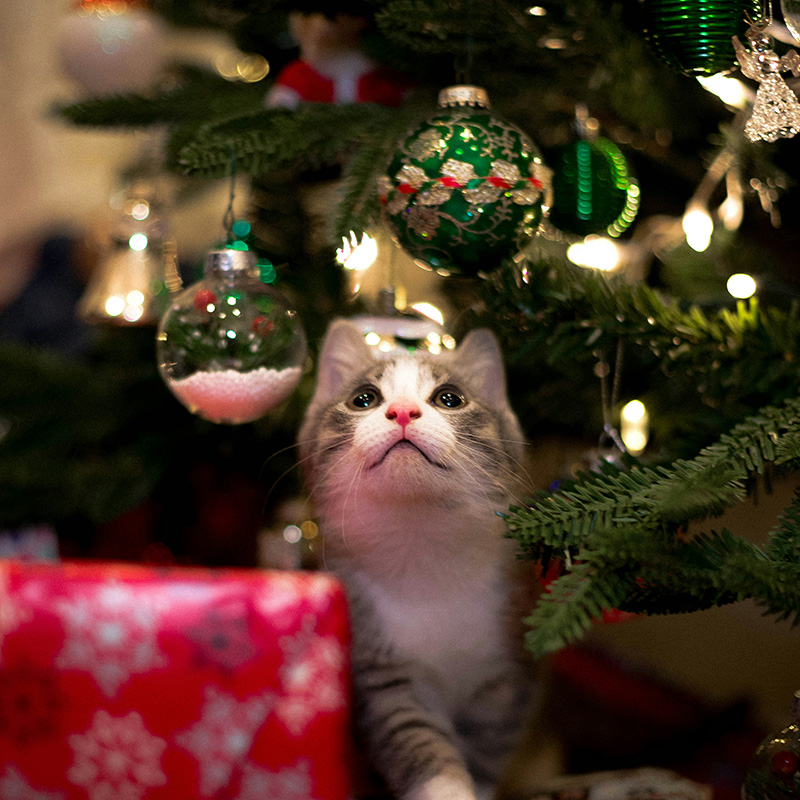 Christmas is a magical time filled with family gatherings, festive food and beautifully decorated homes. But while we enjoy the celebrations, it’s important to remember that the season also brings a number of potential hazards for our pets. From tempting treats that could make them unwell to decorations that look suspiciously like toys, the festive period can pose unexpected risks. With a little awareness and some simple precautions, you can make sure your pets stay safe, healthy and happy throughout the Christmas holidays.
Keep Decorations Out Of Reach
Christmas decorations can be particularly attractive to curious cats and playful dogs. Shiny baubles, dangling tinsel and blinking fairy lights all provide irresistible temptation. Linear decorations like tinsel or ribbon are especially enticing for cats to bat, chase and play with. However, if swallowed, these can cause serious internal problems, including intestinal blockages that often require emergency surgery. Try to hang fragile or small decorations higher up the tree and avoid leaving pets unsupervised near low-hanging ornaments.
Fairy lights also present a risk. Pets may chew on the wires, which can lead to burns or electric shock. Ensure cables are hidden or secured, and turn off lights when you're not at home. For households with very inquisitive pets, consider using a pet-friendly tree guard or placing the tree in a room that can be closed off.
Be Mindful With Festive Plants
Many traditional Christmas plants are toxic to pets. Holly, mistletoe and poinsettia can all cause stomach upset if chewed, and lilies - sometimes found in festive bouquets - are highly dangerous to cats. If you enjoy having seasonal plants in your home, keep them well out of reach and consider using artificial alternatives to avoid any risk. Even discarded pine needles from a real tree can be harmful if eaten, so sweep the floor regularly to prevent accidental ingestion.
Watch Out For Dangerous Christmas Foods
One of the biggest festive hazards for pets is food. While it’s tempting to share leftovers with pets, many Christmas favourites are unsafe for them. Chocolate, raisins, grapes, onions, garlic and foods containing artificial sweeteners like xylitol can be extremely toxic. This includes mince pies, Christmas pudding, stuffing and even some gravy mixes.
Turkey bones are another common hazard. Cooked bones can splinter easily, potentially causing choking or internal injury. If you’d like to treat your pet to something special, stick to pet-safe treats or consult your vet for suitable festive options. Always keep food out of reach and make sure visiting guests know not to feed your pets without checking first.
Provide A Safe And Calm Space
Christmas can be a busy, noisy time. Extra visitors, loud music and changes to routine can be stressful for pets, especially those who are naturally anxious. Giving your pet a quiet, comfortable retreat away from the excitement can make a big difference. Provide a cosy bed, fresh water and perhaps a favourite toy. Allow them to come and go freely so they don’t feel overwhelmed.
If your pet struggles with anxiety, consider pheromone diffusers or calming supplements designed for dogs and cats. These can help take the edge off during periods of increased activity.
Take Care With Gifts And Packaging
Gift wrap, ribbons and small plastic toys can look like great fun to pets but may be hazardous if swallowed. Always tidy away discarded wrapping paper and keep small items out of reach. Batteries - often included with new gadgets and children’s toys - are particularly dangerous if bitten or swallowed and can cause internal burns. Make sure they are stored securely.
Plan Ahead For Emergencies
Despite every precaution, accidents can still happen. Familiarise yourself with our opening hours and emergency procedures over the Christmas period. Acting quickly can make all the difference if your pet becomes unwell.
Christmas is a wonderful time of year, and with a bit of forward planning, it can be just as enjoyable for your pets. By being mindful of hazards, supervising curious animals and keeping harmful foods and decorations out of reach, you can ensure your furry companions stay safe and healthy throughout the festive season.
If you have any concerns about your pet’s wellbeing over Christmas, don’t hesitate to contact us for advice.
-
Previous
-
Next